Introduction
Money laundering might seem like something out of a Hollywood movie, but it’s actually a real-world challenge affecting almost every country. Dirty money fuels criminal empires, shady politics, and even terrorism. While most people assume it doesn’t touch their lives, laundering can damage local economies, push up the cost of living, and threaten the safety of communities. Illicit cash doesn’t simply vanish; it quietly influences everything from real estate prices to political power structures. Understanding what laundering means and how it unfolds is smart, even if you think you have zero connection to organized crime. Moreover, understanding money laundering is crucial for recognizing its impact on the global economy.
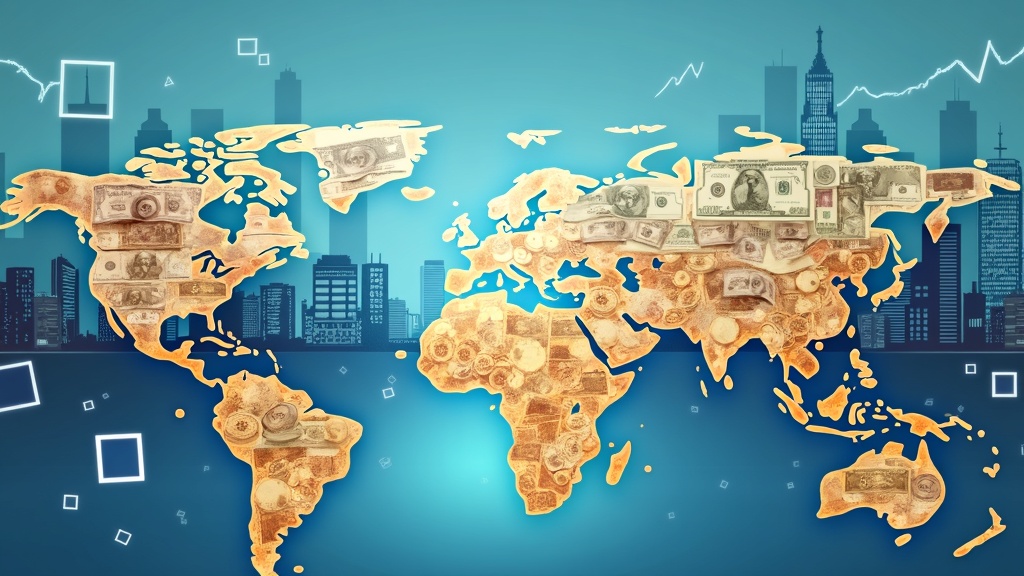
Table of Contents
The Basics: What Is Money Laundering?
At its core, money laundering is when illegally gained money is made to look as if it came from a clean, legitimate source. Essentially, criminals want the cash from their under-the-table deals—like drug sales, bribery, or fraud—to blend in with honest earnings that don’t raise eyebrows. Imagine it as buying a winning lottery ticket from someone just to claim the prize for yourself. If anyone asks, your sudden fortune appears to come from luck, not crime.
The objective for anyone laundering money is to conceal the real origin of their cash. They want to spend or invest it just like law-abiding citizens, all while dodging suspicious questions from banks or authorities.
Understanding Money Laundering is essential for anyone looking to be aware of the financial systems around them and to identify fraudulent activities.
The Three Stages of Money Laundering
- Placement: This step involves getting the dirty money into the financial system. That could look like making several small deposits at various banks, purchasing casino chips, or buying property. At this moment, the cash is risky and stands out, making this stage dangerous for those involved.
- Layering: After placement, money is shuffled through a series of complicated transactions, accounts, and sometimes even sent across borders. This might include bank wires, fake invoices, shell companies, offshore accounts, or even converting funds into cryptocurrencies. The idea is to muddy the trail, making it confusing for anyone trying to follow the money.
- Integration: Lastly, the laundered money is reintroduced into the legitimate economy. It could show up as what looks like business profits, investments in stocks, or spent on expensive cars and homes. At this point, it’s much harder to trace the origins of the cash.
How Criminals Launder Money: Common Methods
- Trade Based Money Laundering (TBML): Criminals tamper with trade deals by faking invoices or manipulating prices to shift value across borders. For example, a dishonest exporter may undervalue goods on paperwork in order to pay off a partner behind the scenes.
- Structuring (Smurfing): Instead of depositing a large lump sum of dirty money, launderers split it into smaller amounts. These smaller transactions are less likely to attract attention from banks that monitor for big, out-of-the-ordinary activity.
- Shell Companies and Trusts: Fake businesses or legal structures hide who actually owns the money. Such practices are especially common in tax havens where banking secrecy is the norm.
- Professional Enablers: A small group of accountants, lawyers, or bankers may look the other way or even lend a hand in laundering, usually in exchange for a cut of the profits.
- Digital Frontiers: Newer approaches involve cryptocurrency mixers, some tech startups, and online gambling, which can all make it trickier for banks and law enforcement to trace transactions.
Red Flags and Warning Signs
Banks, businesses, and individuals can spot suspicious activity if they know what to watch for. Warning indicators include:
- Large transactions that don’t match normal spending or business patterns
- Frequent cash deposits just under the amount that triggers a bank report
- Money rapidly moving between accounts that lack a clear connection
- Sudden appearances of wealth in sectors that are hot spots for laundering, such as luxury real estate, fine art, or top tier vehicles
The Laws and Watchdogs Trying to Stop Laundering
Stopping money laundering requires coordinated efforts worldwide. Multiple organizations and government laws aim to clamp down on these operations:
- International Bodies: Groups like the Financial Action Task Force (FATF), Egmont Group, and Basel Committee create standards and promote cooperation among nations for fighting illicit financial flows.
- U.S. Legal Landscape: The Bank Secrecy Act, USA PATRIOT Act, and Title 18 of the U.S. Code set rules that force businesses to watch for questionable transactions and report them. Suspicious Activity Reports (SARs) are a fundamental tool, helping alert authorities to possible laundering.
- Role of Financial Institutions: Banks and similar firms are on the front lines. They’re expected to examine their clients’ backgrounds, track unusual activities, and flag anything sketchy. Failure to do so can bring heavy penalties.
Real-World Examples of Laundering in Action
- Certain drug cartels have funneled profits from stolen fuel by channeling the money through trucking companies and fake transport paperwork.
- Luxury condos in cities like Miami, London, and Dubai have drawn attention as places to stash laundered funds. Criminal groups might use cash purchases or run transactions through a maze of legal entities which makes the funds look like clean investments.
- Cryptocurrency crimes are increasing. Several headlines have featured criminals using bitcoin mixers and subsequently being caught when blockchain experts managed to trace the digital trails.
The Impact: Why Money Laundering Is a Big Deal
Laundered funds have effects that go far beyond a line on a spreadsheet or a secret vault:
- Specialists estimate as much as $2 trillion is laundered globally every year, equaling 2–5% of world economic activity.
- Such cash can throw housing markets out of whack, inflate prices, or give unscrupulous characters undue power in business and politics.
- The same systems that move illegal money often support human trafficking, arms trading, and narcotics smuggling. The damage isn’t always highlighted in the news, but it spreads throughout society.
Tools and Strategies Banks and Governments Use
- Know Your Customer (KYC) Rules: Banks track down information about new clients to prevent opening accounts for people hiding criminal money.
- Anti-Money Laundering (AML) Programs: These guides push companies to spot and act on possible terrorist or criminal finance activity.
- Tech Solutions: Tools like artificial intelligence scan huge numbers of transactions, hunting for patterns that signal risk. Blockchain analysis can unravel even complex crypto-laundering scams.
- International Coordination: No single country can keep up on its own, so cross-border investigations have become more frequent. Sharing data and best practices may be challenging, but teamwork is slowly improving.
What Regular People Should Be Careful About
Even if you’re not a banker, you might stumble upon laundering traps. Some scammers rope people in as “money mules”—using someone’s bank accounts to move illegal funds, usually for a promise of easy money. If you notice advertisements asking you to “process payments” or “forward funds” and promising simple cash, those are giant red flags.
Lending out your bank account or personal info to others, even trusted friends or family, can spell real trouble. And if you spot any odd financial activity at your job, it’s wise to alert your employer or the authorities. Many workplaces offer anonymous hotlines, and most nations provide resources for people to tip off investigators securely.
What’s Changing: Challenges Ahead
- DeFi and Crypto Mixers: Decentralized finance is causing many industries to mix it up, with new risks and criminal tactics showing up faster than new rules can be made.
- Tracing Cross-Border Crime: Criminals exploit differences in laws among nations to hide their money. While countries are getting better at teaming up, loopholes still exist.
- Political Complications: In some countries, authorities may turn a blind eye when dirty money means quick economic or political gains. Real change is slow, especially where those in charge have something to gain from maintaining secrecy.
- Balancing Privacy: Cracking down on criminal money is vital, but so is guarding everyday people’s privacy. Regulators and tech companies are working to strike a better balance on this front.
Why Understanding Money Laundering Matters
Laundering isn’t just a problem for major crime syndicates—it can distort economies, let criminal enterprises thrive, and accidentally drag regular people into legal trouble. By keeping alert, watching out for scams, and supporting tighter financial safeguards, you help protect your community. Knowing how dirty money moves is an important part of stopping the darker side of the underworld. It comes down to keeping financial systems honest and paying attention to the real impact behind financial crimes.
If you feel like you need to report a crime involving money laundering, please don’t hesitate to contact your local law enforcement or, if in the United States, reach out to the Homeland Security Investigations or the Federal Bureau of Investigations.
Contact Us:
If you need to contact us for any reason, please feel free to do so here!